
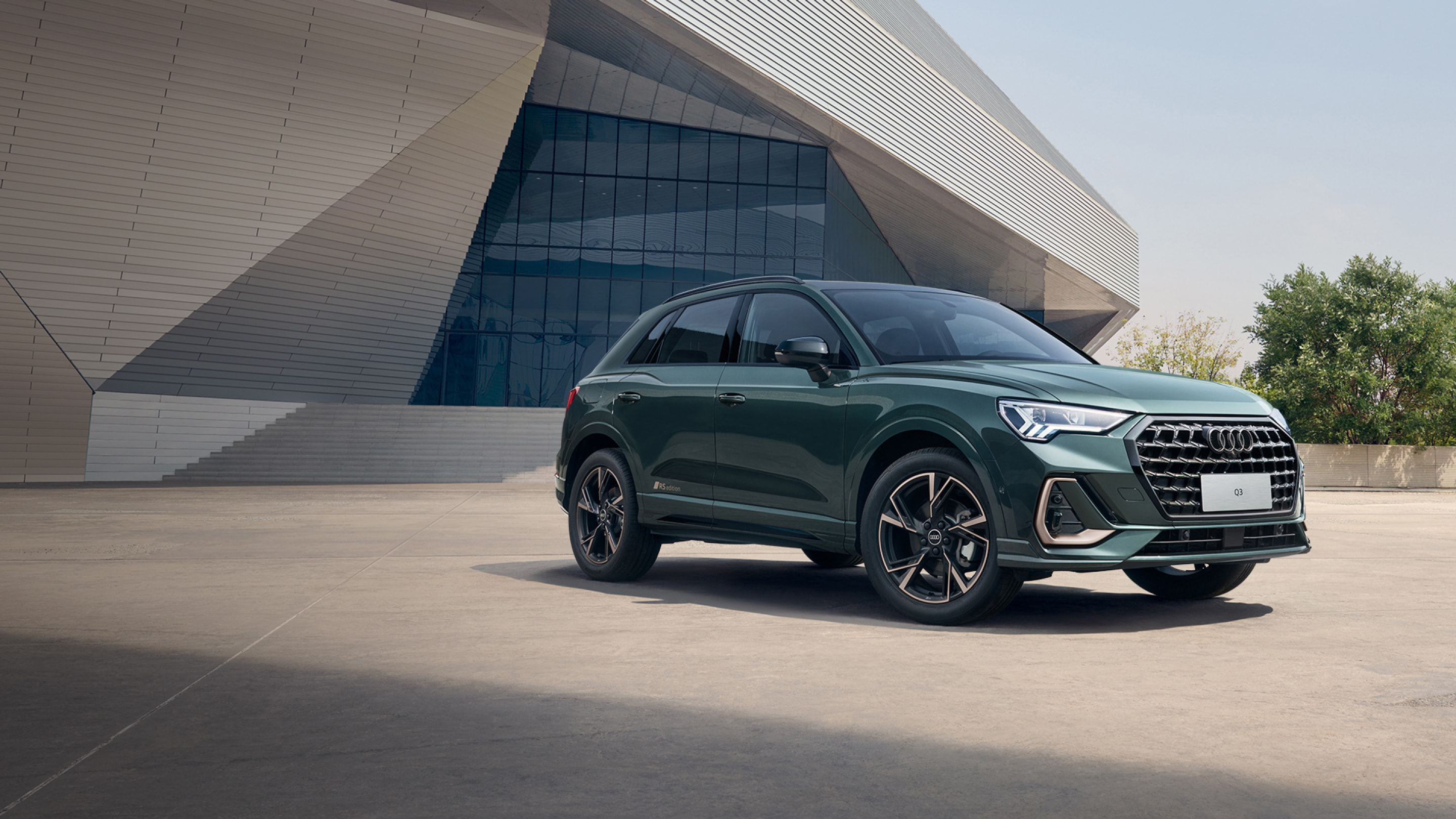
Define where additional driven capability is useful
Write the repeated conditions that motivate the choice: access roads, climate, gradients, occupants and permitted journeys. Separate a frequent requirement from a rare trip with another practical solution. The S tronic and quattro guide addresses fitted-system identification; this review values the purchase premium after that identity is established. Do not describe quattro as a substitute for appropriate tyres, safe driving or operating restrictions. A preference for a particular driving character is legitimate, but acknowledge it as preference. The benefit should be meaningful on the actual route rather than resting entirely on a seller’s dramatic traction demonstration.
Verify the drivetrain rather than the advertisement
Collect VIN-linked records, engine and transmission identifiers and appropriate evidence of the installed driven system. The specification and trim review keeps generation and market differences visible. A rear badge, output label or translated high-trim name does not establish hardware. Retain aftermarket changes and discrepancies between records and the car. Do not assume every Q3 carrying the same name uses identical quattro components or service instructions. The comparison needs two identifiable proposals with essential suitability, not a broad quattro model description against an unspecified cheaper car that may differ in body, powertrain or condition.
Treat tyres and chassis as part of the choice
Inspect approved wheel and tyre fitment, matching, condition and relevant chassis findings through the tyre and suspension review. Retain applicable manufacturer limits instead of inventing a universal tolerance or test. More driven hardware cannot make unsuitable tyres an acceptable starting point. Include understood tyre correction when valuing the ready-to-use offer. Avoid hazardous demonstrations and unqualified component opening. A supported ordinary road observation is useful within its conditions, but it does not guarantee every adverse-weather result. Compare the complete traction arrangement on both cars, not one car’s drivetrain badge with the other car’s best possible tyre specification.
Ask what its maintenance history actually supports
Match relevant service and intervention records to the fitted transmission and driven configuration through the maintenance plan. The correct scope can differ by generation and market; a generic serviced stamp is not confirmation of every required operation. Ask a receiving provider about diagnosis, applicable components and practical parts supply for this car. Keep omitted operations and current symptoms separate from routine planning. Seller reassurance about permanent reliability cannot replace appropriate findings. A quattro benefit that looks useful may still be poor purchase value if consequential support is unavailable where the owner will use the car after import.
An occasional trip is different from repeated access
Consider two examined proposals for an owner using maintained urban roads during most ordinary weeks, with one occasional difficult-access holiday. The buyer can compare the supported route benefit of quattro with another lawful practical plan for that holiday, while retaining suitable tyres on either car. If difficult access is instead part of the regular essential journey, the capability may matter much more. This is a use comparison, not a universal driving recommendation. Keep the owner’s real frequency and constraints visible rather than letting one dramatic sales demonstration define the value of the entire purchase.
Compare the whole prepared premium
Retain dated offers with the same essential body, equipment, current-condition scope and delivery basis through the price guide. Separate tyre replacement, missing objects and understood correction from the drivetrain difference. Count included work once and keep unresolved consequential diagnosis conditional. Use the ownership-period worksheet for explicit energy and care assumptions, not a guaranteed future resale recovery. A higher asking amount is not automatically a quattro-only premium when the proposals differ elsewhere. Identify the accepted extra benefit and cost without assigning a universal financial value to an additional driven axle or promised future buyer demand.
Keep the accepted configuration through purchase
Record actual driven hardware, suitable tyre scope, relevant history, present findings and support conditions in the equipment schedule. State what the owner gains repeatedly and which evidence remains limited. A substituted car needs renewed identity and acceptance, even if the seller calls it an equivalent quattro. Following consequential preparation, retain suitable affected checks before handover. The final conclusion can favour quattro, an accepted alternative or further examination. It should remain understandable without a dramatic demonstration, speculative resale claim or assumption that a badge independently proves traction, present mechanical condition and every later journey outcome.